Faculty of Health Tourism
With the rapid transformations in the global tourism sector toward what is now known as the “wellness economy,” medical tourism is emerging as one of the fastest-growing and most profitable tourism activities. Given Morocco’s significant natural, medical, and tourism assets, this sector presents itself as a strategic opportunity to enhance the country’s competitiveness as a destination and to diversify its national tourism offering. However, achieving this ambition depends on developing a clear national vision that can organize the sector and position it competitively on the international stage.
Global Tourism Shifts Toward the Wellness Economy
Over the past two decades, international tourism has undergone profound changes. Travel is no longer limited to leisure or cultural and natural exploration; it is increasingly linked to health, well-being, and quality of life. This shift has led to the emergence of new forms of travel, most notably medical tourism, which involves patients traveling to other countries to receive treatment or access specialized healthcare services at lower costs or higher quality.
The growth of this sector is driven by several factors, including rising healthcare costs in some developed countries, long waiting times for medical services, and patients’ desire to combine treatment with recovery in a comfortable tourist environment. Several countries, such as Turkey, India, and Thailand, have successfully capitalized on these trends, transforming medical tourism into a thriving economic sector that generates significant revenue and creates broad employment opportunities.
Moroccan Tourism: Record Figures and the Need for Diversification
Tourism is one of the key pillars of Morocco’s economy. In recent years, the country has achieved unprecedented results, welcoming around 19.8 million tourists in 2025—a record figure reflecting the sector’s growing dynamism. Tourism revenues reached approximately 124 billion dirhams, contributing about 7% to GDP, in addition to creating hundreds of thousands of direct and indirect jobs.
Despite these positive outcomes, there remains a strong need to diversify the national tourism offering, especially in light of increasing competition among global destinations. Traditional tourism, primarily based on beaches and historic cities, is no longer sufficient to maintain competitiveness. Hence, the importance of developing new, high value-added tourism products, including medical tourism.
A Promising Yet Underdeveloped Market
Estimates suggest that Morocco receives around 500,000 medical tourists annually, seeking various healthcare services, particularly in cosmetic surgery, dentistry, physiotherapy, and rehabilitation. Medical services in Morocco are also competitively priced, often 30% to 60% cheaper than in some European countries and the United States.
Despite these encouraging indicators, Morocco’s share of the global medical tourism market remains limited compared to countries that have successfully turned the sector into a major economic driver. This is largely due to the absence of a clear national policy aimed at developing and promoting the sector internationally.
Natural and Medical Assets Enhancing Morocco’s Appeal
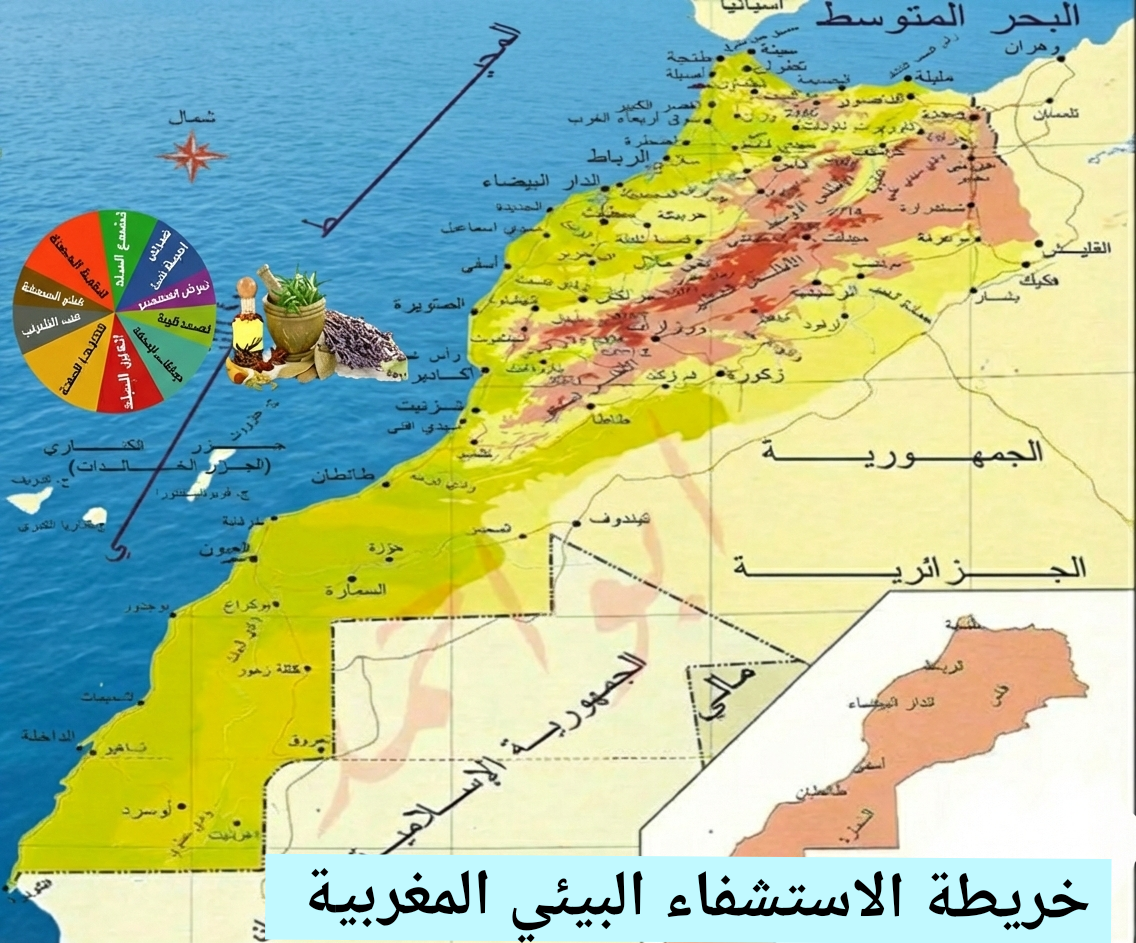
Morocco possesses a wealth of natural resources that can serve as a strong foundation for medical tourism. Across the country, numerous thermal springs and mineral waters—such as Moulay Yacoub and Sidi Harazem—are known for their therapeutic properties, attracting visitors seeking treatment for joint, skin, and respiratory conditions.
In addition, some desert regions, particularly in the southeast, are معروف for sand therapy (psammotherapy), an ancient healing practice that attracts patients suffering from rheumatism and joint diseases. Morocco’s extensive coastline also offers strong potential for thalassotherapy (seawater-based treatments), one of the most widespread forms of health tourism worldwide.
On the medical side, the private healthcare sector has expanded significantly in recent years, with the growth of private clinics and specialized medical centers in major cities such as Casablanca, Rabat, Marrakech, and Agadir. The country also benefits from highly qualified medical professionals, many of whom have been trained in Europe and North America, which strengthens international patients’ confidence in Moroccan healthcare services.
A Potential Lever for Economic and Regional Development
Medical tourism has the advantage of generating higher added value compared to traditional tourism. Medical tourists tend to stay longer and spend more due to treatment costs, accommodation, and associated healthcare services. This type of tourism also stimulates several related sectors, including hospitality, transportation, and medical services.
Moreover, it can play a key role in developing regions rich in natural therapeutic resources, particularly thermal and desert areas, thereby creating new job opportunities, boosting local economies, and reducing regional disparities.
The Need for a Clear National Strategy
Despite Morocco’s strong potential in medical tourism, the sector still suffers from the absence of a comprehensive strategic framework that defines its objectives and strengthens coordination among stakeholders.
Current initiatives are often fragmented and largely driven by the private sector, while coordination between the health and tourism sectors remains limited. Additionally, international promotion of Morocco as a medical destination is still insufficient to attract larger numbers of international patients.
This highlights the need for a national strategy based on enhancing natural therapeutic resources, encouraging investment in healthcare infrastructure, developing integrated treatment centers that combine medical care with accommodation and tourism services, and strengthening international promotion in promising markets, particularly in Africa and Europe.
Toward a New Positioning for Morocco in Health Tourism
In light of global shifts toward the wellness and health economy, medical tourism represents a genuine strategic opportunity for Morocco to enhance its tourism competitiveness and diversify its sources of economic income. The country possesses a unique combination of natural therapeutic resources, advanced tourism infrastructure, and qualified medical expertise.
However, turning this potential into tangible economic reality requires a clear strategic vision that places medical tourism at the core of future tourism development. If this opportunity is effectively leveraged, Morocco could, in the coming years, become a leading regional destination for medical tourism in Africa and the Mediterranean basin, opening new horizons for sustainable economic development.
Ultimately, the key challenge today is no longer just possessing the necessary assets, but effectively leveraging them within an ambitious national policy that positions medical tourism as a driver of economic and regional development, capable of generating added value and creating new employment opportunities
Address
A.R.E - Giza - Mohandessin 56 Riyadh Street
+211915149000
info@htf-uk.com
Copyright © 2026 [Faculty of Health Tourism]. All rights reserved.